
Call us now :07971459494
 Send Inquiry
 Send Inquiry
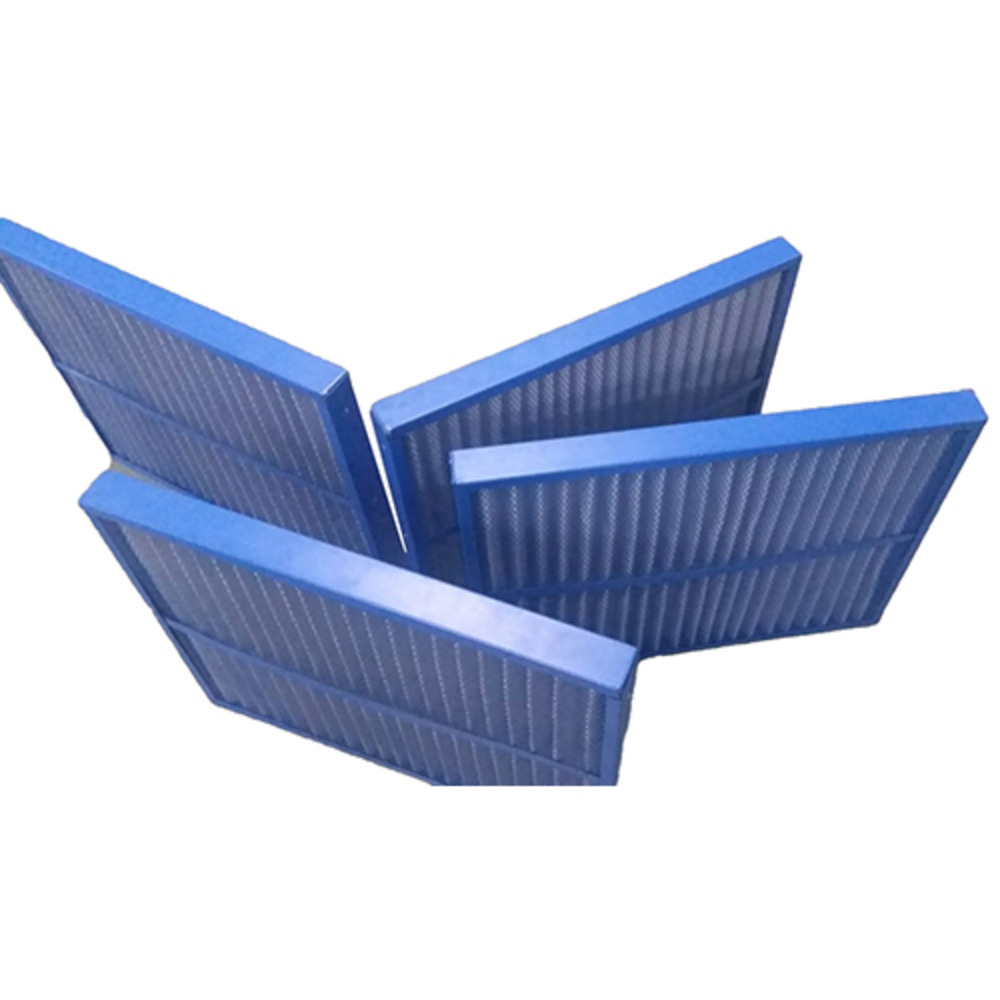
Panel Filters
Price 850 INR/ Piece
MOQ : 100 Pieces
Panel Filters Specification
- Efficiency (%)
- 99.9%
- Condition
- New
- Usage
- Industrial
- Material
- SS, Alluminium, GI, Cardboard
- Size
- As per your design
- Product Type
- Panel Filters
- Construction
- Panel Filter
- Color
- Different colors available
- Shape
- Square
- Feature
- High Filtration Efficiency, Easy Installation & Replacement
Panel Filters Trade Information
- Minimum Order Quantity
- 100 Pieces
- FOB Port
- hajira,porbandar
- Supply Ability
- 15 Pieces Per Day
- Delivery Time
- 15 Days
- Packaging Details
- as per box
About Panel Filters
Panel filters are a type of air filter used in various HVAC Heating Ventilation and Air Conditioning systems and industrial applications to remove particulates from air streams Heres a detailed overview of panel filters
Construction and Types
Construction
Filter Media Panel filters consist of a flat or pleated sheet of filter media enclosed in a frame made of cardboard plastic or metal
Filter Media Types The filter media can vary and may include fiberglass polyester synthetic fibers or electrostatic materials The choice of filter media depends on factors such as filtration efficiency airflow resistance and application requirements
Types of Panel Filters
1 Flat Panel Filters These filters have a simple flat design and are typically made from fiberglass or synthetic materials They are commonly used in residential HVAC systems and in some light commercial applications
2 Pleated Panel Filters Pleated panel filters have a folded or pleated design which increases the surface area of the filter media This design allows for higher dust holding capacity and longer service life compared to flat panel filters Pleated filters are often used in commercial and industrial HVAC systems where higher efficiency filtration is required
Key Features and Benefits
1 Particle Removal Panel filters effectively capture airborne particulates such as dust pollen mold spores pet dander and other contaminants from the air stream
2 Filtration Efficiency The efficiency of panel filters is measured by their Minimum Efficiency Reporting Value MERV rating Higher MERV ratings indicate higher filtration efficiency
3 Airflow Panel filters are designed to provide minimal airflow resistance while maintaining efficient filtration This balance is crucial to ensure optimal performance of HVAC systems and to reduce energy consumption
4 Ease of Installation They are easy to install and replace making maintenance straightforward and costeffective
5 Versatility Panel filters are used in various applications including residential buildings commercial offices hospitals laboratories and manufacturing facilities
Applications
Residential HVAC Systems Panel filters are commonly used in home air conditioning and heating systems to improve indoor air quality
Commercial Buildings They are used in commercial HVAC systems to maintain clean air in offices retail spaces and public facilities
Industrial Applications Panel filters are employed in industrial ventilation systems to protect equipment and processes from airborne contaminants
Clean Rooms and Laboratories Highefficiency panel filters are used in clean rooms and laboratories where maintaining a sterile environment is critical
Considerations
MERV Rating Choose a panel filter with an appropriate MERV rating based on the level of filtration required for your application
Replacement Schedule Regular replacement of panel filters is essential to ensure optimal filtration efficiency and maintain system performance
Customization Some panel filters can be customized to fit specific HVAC systems or applications ensuring compatibility and efficient operation
Environmental Impact
Many panel filters are disposable and should be disposed of according to local regulations Some filters are recyclable which can help reduce environmental impact
In summary panel filters play a crucial role in maintaining indoor air quality and protecting HVAC systems and sensitive environments from airborne contaminants Their design efficiency and ease of maintenance make them essential components in a wide range of residential commercial and industrial applications
Versatile Material Options for Every Industry
Choose from stainless steel, aluminium, GI, or cardboard panel filters to suit diverse applications, from industrial spaces demanding durability to cost-effective commercial uses. Our wide range of materials enables us to cater to unique filtration requirements, guaranteeing optimal performance and longevity.
Tailored Solutions and Global Reach
We specialize in providing panel filters in sizes designed as per your specifications. As established exporters, importers, manufacturers, suppliers, and traders based in India, we offer timely delivery and end-to-end support for clients around the world, ensuring you receive exactly what you need for your filtration systems.
FAQ's of Panel Filters:
Q: How are panel filters with materials like SS, Aluminium, GI, and Cardboard used in different industries?
A: Panel filters made from stainless steel, aluminium, GI, and cardboard are employed in environments ranging from hospitals and cleanrooms to factories and offices. The choice of material depends on factors like durability, corrosion resistance, and required filtration efficiency.Q: What sizes are available for your panel filters and can they be customized?
A: Our panel filters are available in a range of sizes, custom-made according to your design requirements. Simply provide your specifications and we will manufacture filters that perfectly fit your application.Q: When should panel filters be replaced or maintained for optimal performance?
A: It is recommended to inspect and replace or clean panel filters regularly, depending on the air quality and environmental conditions. Most facilities benefit from quarterly maintenance, but high-dust environments may require more frequent checks.Q: Where can your panel filters be installed?
A: Our panel filters are suitable for HVAC systems, air handling units, and dust collection systems in commercial, industrial, and residential settings. Installation is straightforward and our team can provide guidance if needed.Q: What is the process of ordering and sourcing panel filters from your company in India?
A: You can order our panel filters by sharing your required specifications and quantity. As an exporter, importer, manufacturer, and supplier, we handle manufacturing, quality checks, packaging, and international shipping, ensuring a seamless process for local and overseas clients.Q: How do panel filters benefit air quality and system efficiency?
A: Panel filters trap dust, pollen, and other airborne particles, preventing them from entering sensitive equipment or living spaces. This not only improves air quality but also enhances the performance and lifespan of HVAC systems by reducing buildup and maintenance requirements.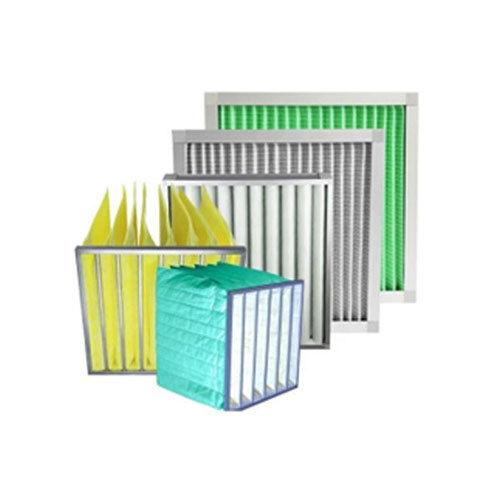
Tell us about your requirement

Price:
Quantity
Select Unit
- 50
- 100
- 200
- 250
- 500
- 1000+
Additional detail
Mobile number
Email

More Products in Air Filters Category
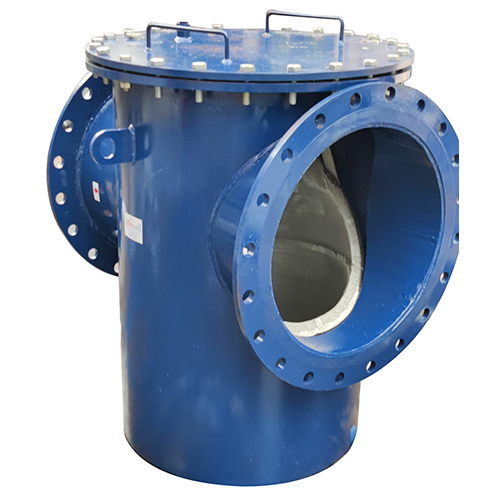
Basket Filter Strainer Bucket Type
Price 250 INR / Piece
Minimum Order Quantity : 100 Pieces
Condition : New
Feature : High dirt holding capacity, easy to clean, robust construction
Material : Stainless Steel
Shape : Basket (cylindrical bucket type)
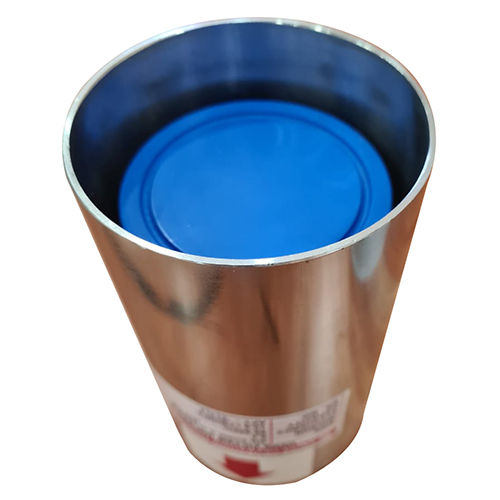
Inlet Hepa Filter
Price 5000 INR / Piece
Minimum Order Quantity : 100 Pieces
Condition : New
Feature : High Filtration Efficiency, Easy Installation & Replacement
Material : Stainless Steel
Shape : Round
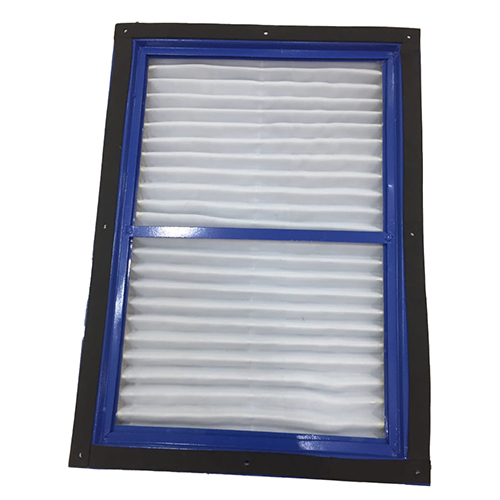
Panel Type Air Filter
Price 250 INR / Piece
Minimum Order Quantity : 100 Pieces
Condition : New
Feature : Good Qualty, High Filtration Efficiency, Easy Installation & Replacement
Material : MS
Shape : Rectangular
Panel Type Pre Air Filter
Price 250 INR / Piece
Minimum Order Quantity : 100 Pieces
Condition : New
Feature : High Filtration Efficiency, Easy Installation & Replacement
Material : MS

We are dealing only in bulk quantity orders.
 Send Inquiry
Our Products

Plot No. 183, Gidc, Industrial Estate, Near Upl Library, Ankleshwar - 393002, Gujarat, India

Mr. Ramesh P. Aghera
(Partner)
Mobile :07971459494
 Send Inquiry
 Send SMS
Developed and Managed by Infocom Network Private Limited.
