
Call us now :07971459494
 Send Inquiry
 Send Inquiry
Air Filter Elements
Price 600 INR/ Piece
MOQ : 100 Pieces
Air Filter Elements Specification
- Efficiency (%)
- 99.9%
- Filter Type
- Air Compressor Filter
- Condition
- New
- Usage
- Industrial
- Material
- PU, SS, MS or Imported Submicronic Glassfibre
- Size
- Customized & OEM Substitute
- Product Type
- Air Filter Elements
- Construction
- Cartridge Filter
- Color
- Different colors available
- Medium Filter
- Cotton
- Shape
- Round
- Warranty
- Yes
- Feature
- High Filtration Efficiency, Easy Installation & Replacement
Air Filter Elements Trade Information
- Minimum Order Quantity
- 100 Pieces
- FOB Port
- hajira,porbandar
- Supply Ability
- 15 Pieces Per Day
- Delivery Time
- 15 Days
- Packaging Details
- as per box
About Air Filter Elements
Air filter elements are essential components used in various applications to clean and purify air by capturing airborne particulates They come in different types and configurations depending on the specific filtration requirements and environmental conditions Heres an overview of air filter elements
Types of Air Filter Elements
1 Pleated Filters
Construction Pleated air filter elements feature a folded or pleated filter media made from materials like polyester fiberglass or synthetic fibers
Benefits They offer a larger surface area compared to flat filters allowing for higher dust holding capacity and longer service life Pleated filters are known for their efficiency in capturing smaller particles
2 Flat Filters
Construction Flat air filter elements consist of a flat sheet of filter media typically made from fiberglass or synthetic materials
Benefits They are simple in design and costeffective Flat filters are commonly used in residential HVAC systems and light commercial applications where moderate filtration efficiency is sufficient
3 HEPA HighEfficiency Particulate Air Filters
Construction HEPA air filter elements are made from highly dense filter media that can capture 9997 of particles as small as 03 microns
Benefits HEPA filters are used in environments requiring extremely high filtration efficiency such as hospitals laboratories clean rooms and pharmaceutical manufacturing
4 Activated Carbon Filters
Construction Activated carbon air filter elements incorporate activated carbon particles into the filter media
Benefits They are effective in removing odors gases and volatile organic compounds VOCs from the air Activated carbon filters are used in environments where chemical fumes or odors are a concern such as industrial settings and indoor air purification systems
5 Electrostatic Filters
Construction Electrostatic air filter elements use an electrostatic charge to attract and capture airborne particles
Benefits They can capture smaller particles than traditional mechanical filters and are washable which allows for reuse and reduced waste Electrostatic filters are used in residential and commercial HVAC systems
Key Features and Benefits
Filtration Efficiency Air filter elements vary in filtration efficiency depending on their type and media composition The efficiency is often measured by factors such as MERV rating Minimum Efficiency Reporting Value or HEPA classification
Airflow Resistance Balancing filtration efficiency with minimal airflow resistance is crucial to maintain the performance of HVAC systems and reduce energy consumption
Durability and Longevity The lifespan of air filter elements depends on factors such as the type of media environmental conditions and maintenance practices Regular replacement or cleaning is essential to ensure optimal filtration performance
ApplicationSpecific Design Air filter elements are designed to meet specific application requirements whether its for residential air purification industrial dust collection or clean room environments
Applications
Residential HVAC Systems Air filter elements are used in home heating and cooling systems to improve indoor air quality by capturing dust pollen and other allergens
Commercial Buildings They are installed in commercial HVAC systems to maintain clean air in offices retail spaces schools and hospitals
Industrial Applications Air filter elements are used in industrial ventilation systems to protect equipment processes and workers from airborne contaminants and pollutants
Specialized Environments HEPA filters are essential in environments requiring sterile conditions such as hospitals laboratories pharmaceutical manufacturing and food processing facilities
Considerations
MERV or HEPA Ratings Choose air filter elements with appropriate ratings based on the level of filtration required for your specific application
Maintenance Regular inspection replacement or cleaning of air filter elements is necessary to ensure optimal performance and air quality
Environmental Impact Consider the environmental impact of disposable filters versus reusable filters and follow proper disposal or recycling practices
In summary air filter elements play a critical role in maintaining indoor air quality and protecting HVAC systems and sensitive environments from airborne contaminants Understanding the different types and selecting the right filter elements for your application is essential to achieve efficient filtration and optimal performance
Versatile Material Choices
Select from robust materials like polyurethane (PU), stainless steel (SS), mild steel (MS), or imported submicronic glassfibre to meet diverse filtration needs. These materials ensure excellent durability and high filtration efficiency, making the filters suitable for various industries and demanding applications.
Customized and OEM Substitute Solutions
We offer Air Filter Elements in customized sizes as well as direct OEM substitutes. This allows hassle-free integration into your existing systems without the need for significant modifications, ensuring minimal downtime and maximum compatibility.
Reliable Sourcing from India
As an established exporter, importer, manufacturer, supplier, and trader in India, we maintain a streamlined supply chain and rigorous quality checks. Our extensive experience ensures prompt, dependable service and international compliance for all orders, large or small.
FAQ's of Air Filter Elements:
Q: How are your Air Filter Elements manufactured and tested for quality?
A: Our Air Filter Elements are produced using advanced technology and stringent quality control processes. Each filter undergoes comprehensive inspection to ensure proper construction, efficient filtration, and durability, adhering to both Indian and international standards before reaching our clients.Q: What materials are used in your Air Filter Elements, and why are they chosen?
A: We manufacture Air Filter Elements using PU, SS, MS, and imported submicronic glassfibre. These materials are selected for their unique filtration properties-high durability, corrosion resistance, and excellent particle retention-ensuring effective air purification across different industries.Q: When should Air Filter Elements be replaced in industrial systems?
A: Replacement frequency depends on operating conditions, air quality, and usage hours. However, regular inspection is advised, and filters should be replaced when excessive dust buildup or reduced airflow is observed to maintain optimal system performance and equipment longevity.Q: Where can your Air Filter Elements be used?
A: Our Air Filter Elements are suitable for installation in diverse environments such as manufacturing plants, automotive workshops, HVAC systems, and other industrial or commercial setups requiring efficient air filtration.Q: What is the process for obtaining customized or OEM substitute Air Filter Elements?
A: Clients can provide detailed specifications or original equipment manufacturer (OEM) part numbers. Our team will design and supply precise replacements or customized solutions, ensuring seamless compatibility with your existing machinery.Q: How do your Air Filter Elements benefit end-users?
A: By using our high-quality air filters, end-users experience improved air purity, enhanced machine performance, reduced maintenance costs, and longer equipment service life, contributing to a cleaner and healthier work environment.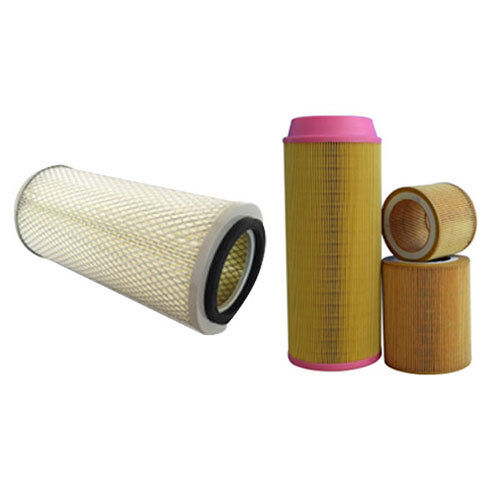
Tell us about your requirement

Price:
Quantity
Select Unit
- 50
- 100
- 200
- 250
- 500
- 1000+
Additional detail
Mobile number
Email

More Products in Air Filters Category

Hydraulic and Lube Oil Filters
Minimum Order Quantity : 100 Pieces
Condition : New
Product Type : Hydraulic and Lube Oil Filters
Usage : Industrial
Efficiency (%) : 99.9%
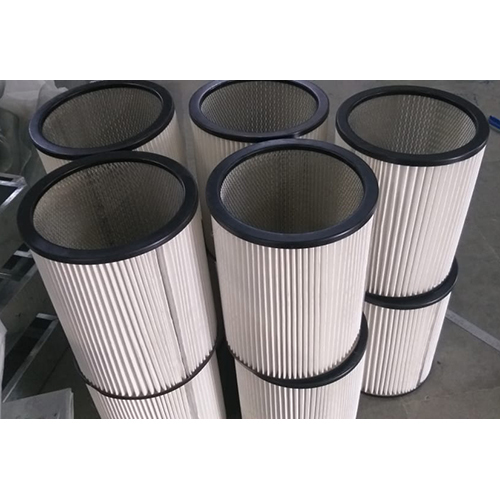
Air Filter
Price 5000 INR / Piece
Minimum Order Quantity : 100 Pieces
Condition : New
Product Type : Air filter
Usage : Industrial
Efficiency (%) : 99.9%
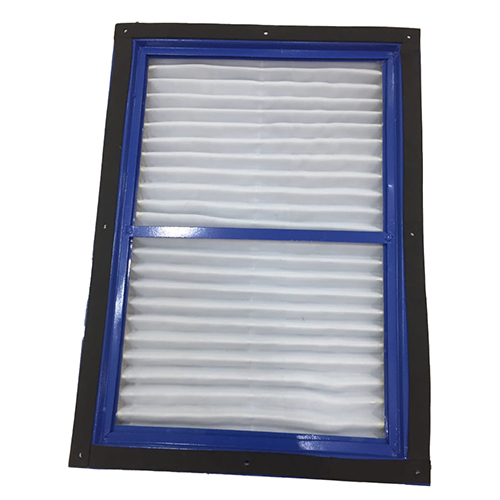
Panel Type Air Filter
Price 250 INR / Piece
Minimum Order Quantity : 100 Pieces
Condition : New
Product Type : Panel Type Air Filter
Usage : Industrial
Efficiency (%) : 99.9%
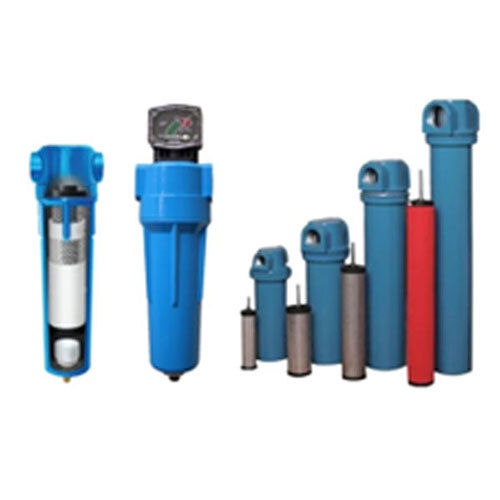
Compressed Airline Filters
Minimum Order Quantity : 100 Pieces
Condition : New
Product Type : Compressed Airline Filters
Usage : Filter Impurities From Atmospheric Air
Efficiency (%) : 99.9%

We are dealing only in bulk quantity orders.
 Send Inquiry
Our Products

Plot No. 183, Gidc, Industrial Estate, Near Upl Library, Ankleshwar - 393002, Gujarat, India

Mr. Ramesh P. Aghera
(Partner)
Mobile :07971459494
 Send Inquiry
 Send SMS
Developed and Managed by Infocom Network Private Limited.
